



A hacked website can do more than go offline. It can quietly redirect visitors to malicious pages, expose customer credentials, inject spam, or damage a brand’s search visibility before anyone notices. For an online business, even a short security breach can mean lost revenue, frustrated customers, and a long road back to trust. That is why website security cannot depend on an SSL certificate or a single security plugin. Effective protection comes from multiple layers working together, including application security, server hardening, access control, threat detection, monitoring, and reliable recovery.
Why Is Website Security Important?
Website security protects more than files and login screens. It safeguards customer data, business information, website functionality, and the trust visitors place in a brand. A compromised website can let attackers alter pages, inject malware, steal credentials, or take services offline. For businesses that rely on their website for leads, sales, or customer communication, even a short disruption can become costly.
Strong website security uses multiple controls rather than depending on one tool. Secure access, software updates, firewalls, malware detection, traffic filtering, monitoring, and reliable backups work together to reduce attack risks and limit damage if a breach occurs.
How Does Website Security Affect SEO?
Security and SEO are closely connected when a site is compromised. Hackers can inject spam pages, malicious scripts, phishing content, or unwanted redirects, potentially triggering security warnings in Google Search and browsers. Google notes that hacked content can be removed from search results, while sites containing malware or harmful content may display security warnings.
A security breach can therefore lead to malicious content, search warnings, reduced visitor trust, lower visibility, and lost traffic or revenue.
Maintaining strong website security helps protect both the site’s technical integrity and search presence.
What Are the Main Website Security Threats?
A website can be attacked at several points, from its login page and database to the underlying server. The most common website security threats include:
- SQL Injection: Attackers insert malicious SQL commands into vulnerable inputs to access, modify, or destroy database information.
- Cross-Site Scripting (XSS): Malicious scripts are injected into web pages and executed in a visitor’s browser, potentially exposing sessions or sensitive information.
- Brute-Force Attacks: Automated login attempts repeatedly test usernames and passwords until valid credentials are discovered.
- Malware & Web Shells: Malicious files or hidden scripts can give attackers unauthorized control over website files or server functions.
- DDoS Attacks: Large volumes of unwanted traffic can exhaust server resources and make a website slow or unavailable.
- Outdated CMS, Plugins & Themes: Unpatched software can contain known vulnerabilities that attackers exploit to gain access or modify website content. OWASP identifies vulnerable and outdated components as a major web application security risk.
- Stolen Credentials: Compromised admin, FTP/SFTP, hosting, or database credentials can give attackers legitimate-looking access to sensitive systems.
These threats rarely exist in isolation, which is why effective website security needs protection across the application, server, accounts, network, and recovery layers.
How Does Website Security Work? A Layered Approach
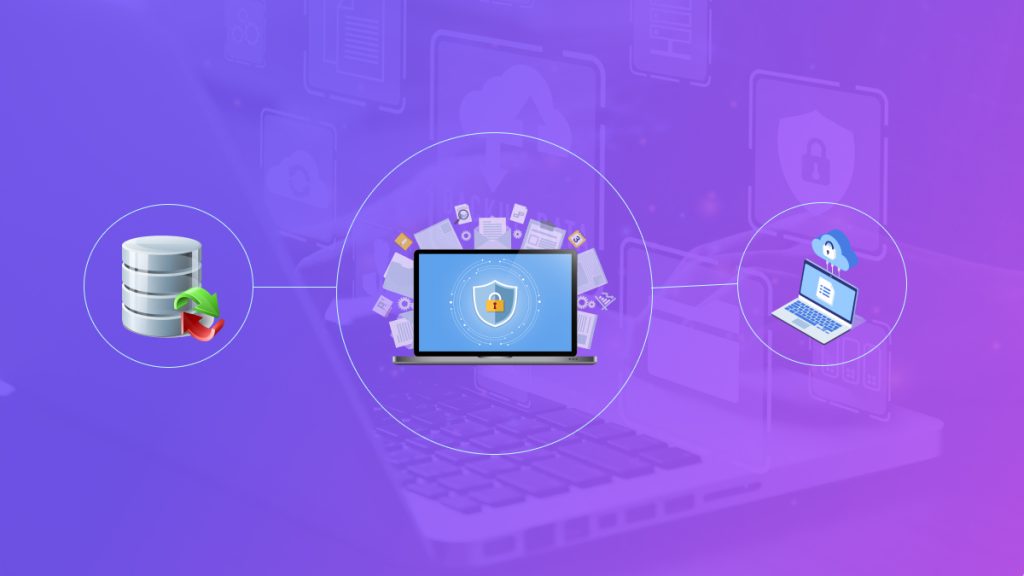
No single security feature can protect every part of a website. SSL/TLS protects data in transit, a WAF filters malicious requests, server controls restrict unauthorized access, malware scanners detect suspicious files, and backups provide a recovery path. Together, these layers create a stronger security posture and reduce the impact of individual vulnerabilities.
1. Data Transit Layer: SSL/TLS & HTTPS
TLS encryption protects information exchanged between a visitor’s browser and the web server. When a website uses HTTPS, login credentials, payment details, forms, and other sensitive data are encrypted during transmission, making interception significantly harder.
However, an SSL/TLS certificate does not secure the website itself. It cannot prevent malware, vulnerable plugins, brute-force attacks, SQL injection, or compromised administrator accounts.
2. Application Layer: WAF, ModSecurity & OWASP CRS
A Web Application Firewall (WAF) examines incoming HTTP requests and can block traffic that matches known attack patterns. ModSecurity provides a web application firewall engine, while the OWASP Core Rule Set (CRS) adds rules designed to detect common application attacks.
This layer can help identify and block threats such as SQL injection, cross-site scripting (XSS), malicious requests, and other web-based attacks before they reach the application.
3. Server & Access Layer
Even a well-secured website can be exposed through compromised accounts or weak server access. Fail2Ban and cPHulk can help limit repeated authentication attempts, while SSH/SFTP should be hardened with key-based authentication, firewall restrictions, and strong access policies.
For sensitive administration areas, IP allowlisting can add another access barrier where practical. Two-factor authentication (2FA) using an authenticator app or hardware security key provides additional protection if a password is compromised. Applying least-privilege permissions and keeping hosting, database, and administrator credentials separate further reduces the potential impact of an account breach.
Changing the default SSH port can reduce automated scanning noise, but it should be treated only as an additional hardening measure, not a replacement for proper authentication and firewall controls.
4. Malware Detection & Threat Response
Security also requires finding threats that get past preventive controls. Malware scanners inspect website and server files for suspicious or malicious content. Depending on the solution, detection can combine signatures, heuristic analysis, behavioral indicators, and server-level monitoring.
Tools such as Imunify360 and ClamAV can assist with malware detection, while supported security platforms may also provide automated cleanup or quarantine. The important distinction is that detection identifies a threat; prevention reduces the chance of it getting in.
5. Backup & Disaster Recovery
Backups provide the safety net when prevention fails. Automated backups, off-site storage, incremental copies, multiple restore points, and verified recovery procedures help restore a website after malware, accidental deletion, database corruption, or server failure.
A strong backup strategy should make restoration practical, whether that means full-server recovery or granular restoration of specific files and databases. Most importantly, backups should be stored separately from the production environment so that a server compromise does not destroy both the website and its recovery copies.
Website Security Layers at a Glance
Website security works best when different controls protect different parts of the hosting environment. This quick comparison shows what each layer does, which technologies are commonly used, and the risks it helps address.
| Security Layer | Primary Function | Core Technologies | What It Protects |
|---|---|---|---|
| Data Transit | Encrypts data between visitors and the server | TLS 1.3, HTTPS | Login credentials & sensitive data |
| Application | Inspects and filters web requests | WAF, ModSecurity, OWASP CRS | SQL injection, XSS & malicious requests |
| Server & Access | Restricts unauthorized system access | Fail2Ban, cPHulk, firewalls, 2FA | Brute-force attempts & account compromise |
| Malware Detection | Identifies suspicious files and activity | Imunify360, ClamAV | Malware, web shells & compromised files |
| Recovery | Restores data after a security incident | Off-site backups, snapshots | Data loss, corruption & extended downtime |
The key takeaway: HTTPS protects communication, WAFs protect web applications, server controls protect access, malware scanners detect threats, and backups help recover when prevention fails. No single layer is enough on its own.
How to Secure a Website: Practical Security Checklist
A secure website starts with consistent security hygiene rather than a single plugin or setting. The following website security checklist covers the controls that help protect the application, hosting account, server, and stored data.
Essential Website Security Checklist
- Enable HTTPS: Use a valid TLS certificate to encrypt data exchanged between visitors and the server.
- Update software: Keep the CMS, plugins, themes, PHP, operating system, and server software patched.
- Use a WAF: Filter suspicious HTTP requests before they reach the web application.
- Configure ModSecurity & OWASP CRS: Add rules that help identify common web attacks such as SQL injection and XSS.
- Secure administrator accounts: Use unique, strong passwords and avoid sharing credentials between users.
- Enable 2FA: Add an authenticator app or hardware security key to important accounts.
- Restrict administrative access: Limit sensitive areas such as /wp-admin to trusted users or IP addresses where practical.
- Harden SSH/SFTP: Prefer key-based authentication and restrict access through firewall rules.
- Scan for malware: Perform regular file and server-level scans to identify suspicious activity.
- Monitor logs: Review authentication, application, and server logs for unusual access patterns.
- Maintain off-site backups: Keep automated backups separate from the production server.
- Test restoration: Periodically verify that backups can actually restore files, databases, and websites.
- Remove unused software: Delete inactive plugins, themes, applications, accounts, and unnecessary services.
- Apply least privilege: Give each user and application only the permissions it genuinely needs.
These controls work best when they are maintained continuously. Website security requires ongoing patching, access management, monitoring, threat detection, and recovery testing rather than a one-time configuration.
What Happens If Your Website Gets Hacked?
When a website is hacked, acting quickly can prevent a small compromise from becoming a larger security and SEO problem. Start by isolating the website to limit further damage, then preserve a copy of the affected files for investigation. Review server, login, and application logs to understand how the attacker gained access.
Next, identify and close the compromised entry point, scan the website files and database, and remove malicious code, spam pages, or unauthorized accounts. Patch outdated software and reset hosting passwords, administrator credentials, API keys, and active sessions. If a clean backup is available, restore it after confirming that the underlying vulnerability has been fixed.
Finally, check Google Search Console for security issues and request a review when the site has been cleaned. Google recommends cleaning compromised content and securing the site before returning it to normal operation.
How Can Hosting Improve Website Security?
Website security also depends on the hosting environment. A well-configured hosting platform can protect the website level, including server firewalls, WAF and ModSecurity rules, malware scanning, DDoS protection, account isolation, server monitoring, and automated backups.
This layered approach means website owners do not have to rely entirely on CMS plugins for protection. Server-level controls can filter suspicious traffic, detect malicious activity, restrict unauthorized access, and provide a recovery point during an incident.
BigCloudy combines hosting infrastructure with security-focused features such as server monitoring, firewall protection, malware scanning, DDoS protection, and automated backups. This gives websites a stronger infrastructure-level security foundation while still allowing owners to maintain their own application and account security.
Final Website Security Checklist
Website security is not a one-time task. A secure website needs regular maintenance across the application, hosting environment, user accounts, and recovery systems.
Before considering a website properly protected, make sure it has:
- Secure application: Keep the CMS, plugins, themes, libraries, and server software updated.
- Hardened server: Use firewalls, WAF protection, secure configurations, and timely security patches.
- Controlled access: Protect administrator and hosting accounts with unique credentials, least-privilege permissions, and 2FA.
- Continuous monitoring: Review login activity, server logs, malware alerts, and unusual website behavior.
- Reliable recovery: Maintain automated, off-site backups and regularly verify that they can be restored.
- Protected data: Use HTTPS/TLS to secure information transmitted between visitors and the server.
The key is to treat security as a layered system. An SSL certificate cannot stop malware, a WAF cannot restore deleted data, and a backup cannot prevent an attack. Each layer addresses a different risk, and together they create a more resilient website.
FAQs
Website security can affect SEO when a site is hacked and begins serving malware, spam pages, phishing content, or malicious redirects. Search engines may display security warnings or restrict compromised content, which can reduce organic visibility, traffic, and visitor trust.
No. SSL/TLS protects data while it travels between a visitor’s browser and the server, but it does not prevent malware, brute-force attacks, vulnerable plugins, SQL injection, or server compromise. HTTPS is an essential security layer, not complete website protection.
Isolate the website to limit further damage, then preserve a copy of the compromised environment for investigation. Review logs, identify the entry point, scan and clean the website, patch the vulnerability, reset credentials, and restore a verified clean backup when necessary.
A Web Application Firewall (WAF) examines incoming HTTP requests and can block traffic that matches known malicious patterns. Depending on its rules, it can help protect web applications against threats such as SQL injection, XSS, malicious requests, and other common attacks.
Keep WordPress, plugins, themes, and PHP updated, use strong, unique credentials, and enable 2FA. A WAF, malware scanning, restricted administrator access, least-privilege permissions, and regularly tested backups add further layers of protection against common attacks.
Yes, but backups are primarily a recovery control rather than a prevention mechanism. They allow a website to be restored after malware, accidental deletion, database corruption, or server failure. For better resilience, maintain automated off-site backups and periodically test the restoration process.